Complexity is an opportunity, not a liability
Technical product branding offers a chance to turn something genuinely hard to explain into something people remember. Whether the product is an industrial ingredient, a piece of specialist machinery or a scientific process buried three layers deep in a supply chain, audiences are often more receptive to a clear story than marketing teams expect — they just need someone to do the translating.
The problem isn't usually the science. It's that complicated offers need to become clear, distinctive and easy to understand, and most technical marketing teams don't have a repeatable way to get there. Specs pile up, data sheets multiply, and the brand ends up speaking fluent engineer while the buyer, the retailer or the end consumer switches off.
This is where a proper process earns its keep. Not generic branding advice, but a method built specifically for taking complicated, ingredient-level or technical detail and shaping it into something a non-specialist audience can grasp in seconds.
Why technical product branding breaks down
Most B2B and industrial marketing managers run into the same wall: the internal team knows the product inside out, but that knowledge doesn't automatically translate into a story anyone outside the business can follow. A few patterns show up again and again.
If any of that sounds familiar, it's worth reading what product branding actually is and why it matters for technical and industrial products before going further — it sets out the groundwork this article builds on.
A repeatable method: Discover, Define, Design, Develop
Rather than starting from a blank page, a structured process gives technical branding somewhere to go. At Now Then, that process is the Now Method, and it runs in four stages:
The whole path from strategy to launch-ready work typically takes 4–6 weeks, working directly with a senior creative director rather than being routed through an account-management layer. No junior handover, no fragmented group of suppliers — just direct collaboration from Discover through to Develop.
The Harmonie case study: ingredient science made clear
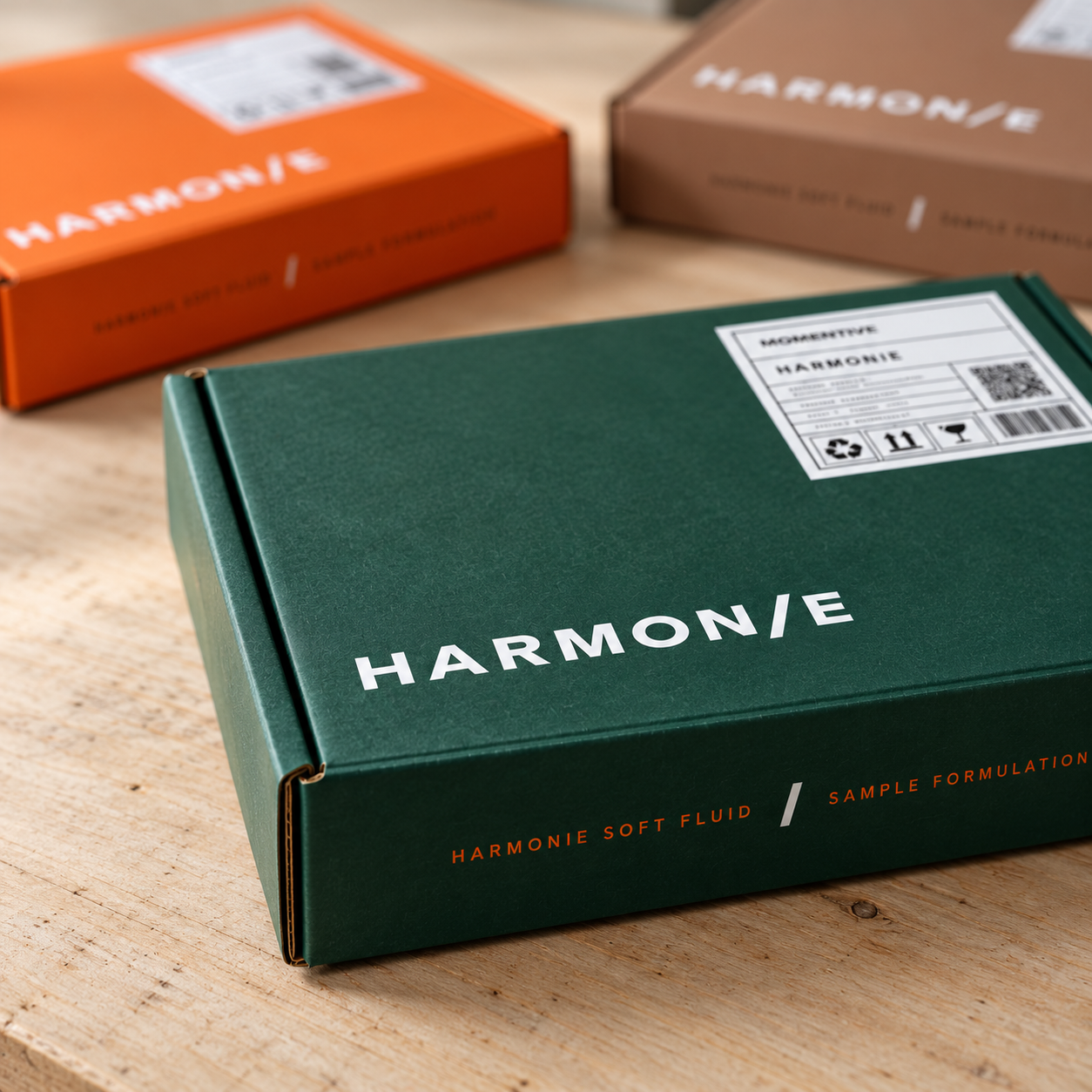
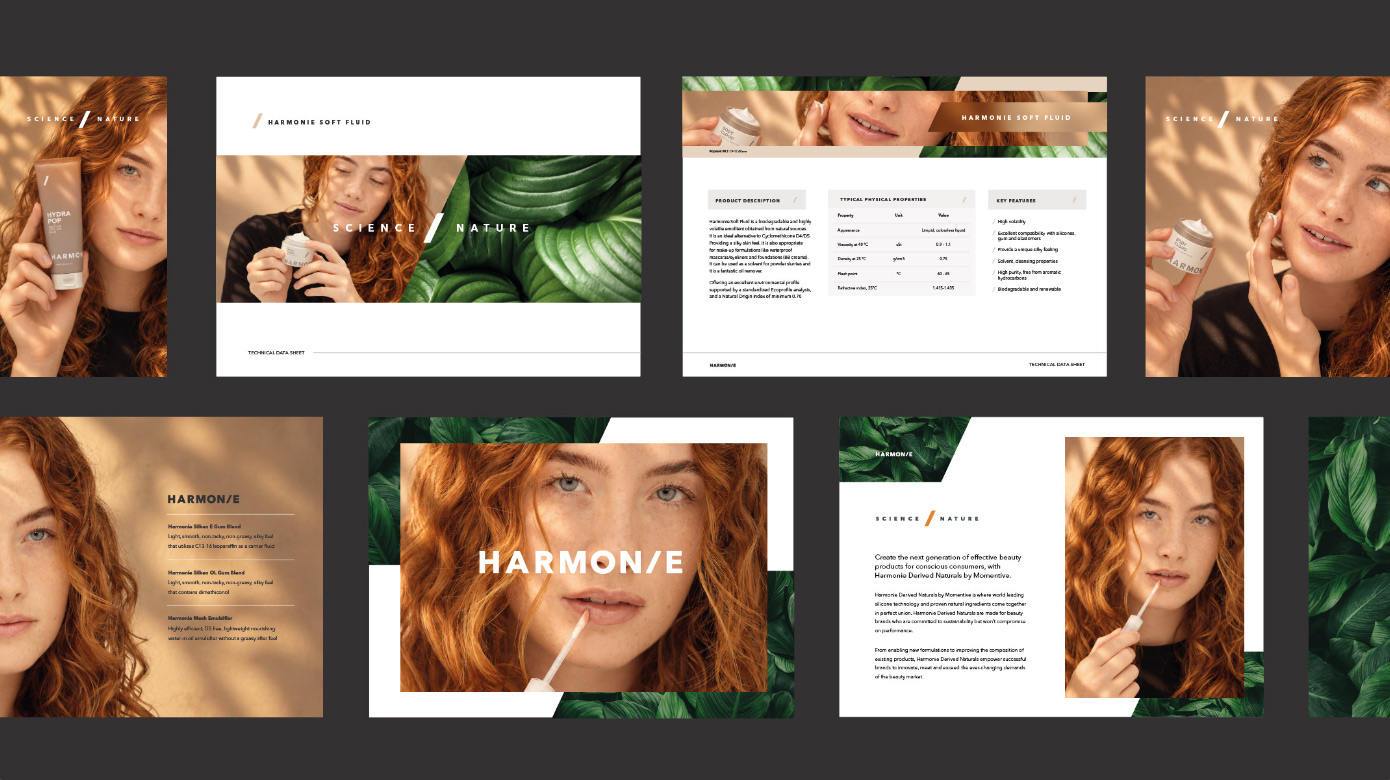
The clearest example of this in practice is Harmonie, a beauty-ingredient brand built for Momentive. Ingredient science is about as technical as branding gets — the audience isn't just non-specialist, it's often actively unfamiliar with the chemistry involved, even while the product itself sits inside skincare and cosmetic formulations used every day.
The brief was to take that complexity and turn it into an identity that could hold its own in the beauty industry: distinctive, credible and easy to understand at a glance, without watering down the substance behind it. The resulting identity has since won eight international design awards — recognition that the translation from ingredient science to brand story landed with the audience it was built for.
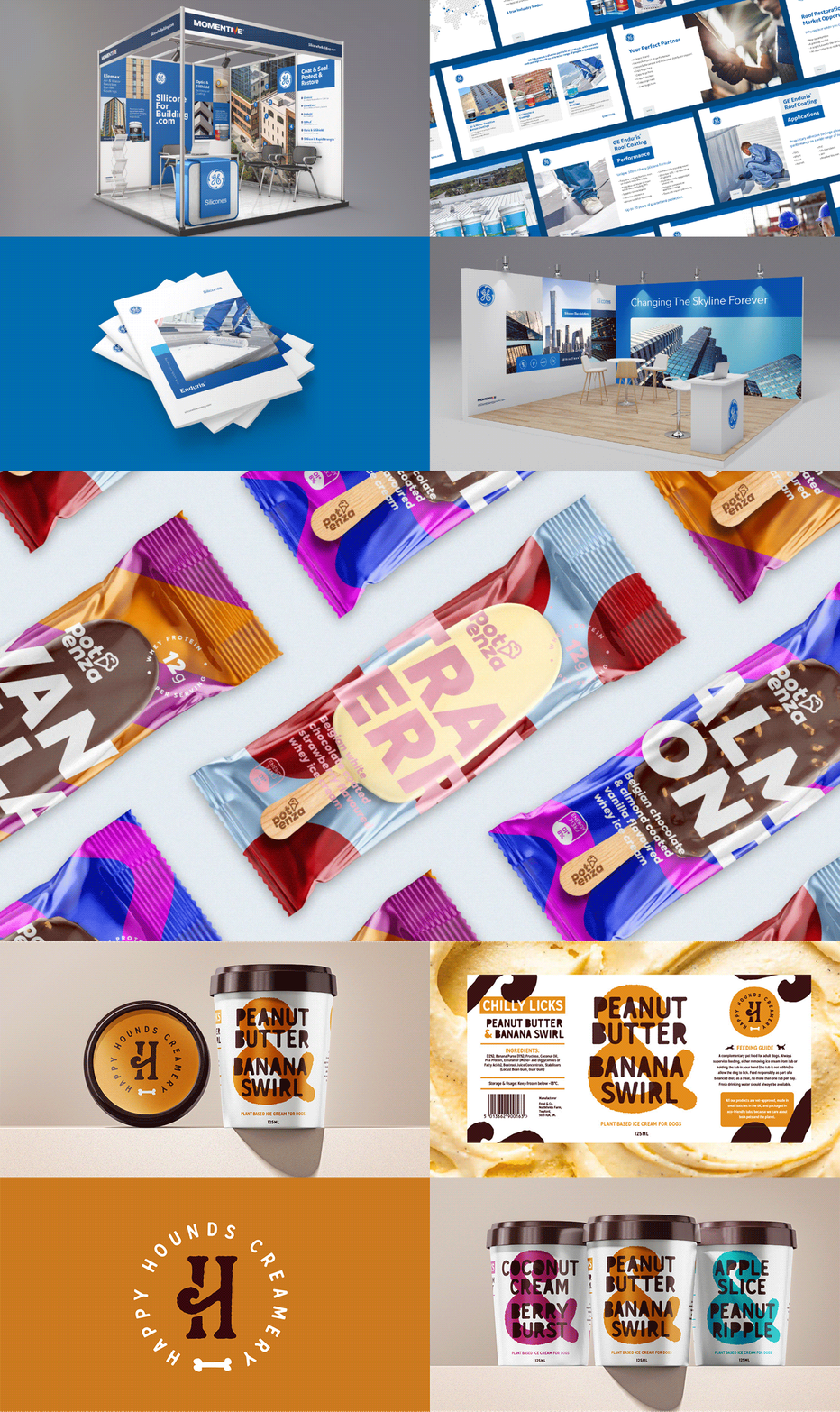
Momentive's wider portfolio — including Silwet, NXT and GE Silicones — presented a related but separate challenge: keeping one consistent identity system flexing correctly across packaging, exhibitions, digital content and POS for multiple product lines under a single corporate umbrella. That's a coordination problem as much as a creative one, and it's covered in more detail in keeping packaging, exhibitions and POS consistent across multiple product lines.
Turning specs into a story: the practical shift
The shift that makes technical product branding work isn't a trick — it's a change in what gets prioritised.
Why this needs a senior creative partner, not another layer of process
Technical product branding is exactly the kind of work that suffers when it gets passed between an account manager and a junior designer — the nuance that makes the science credible is also the first thing to get simplified away incorrectly. Working directly with one senior creative director, from Discover through to Develop, means the person making the creative decisions is the same person who understood the technical brief in the first place.
That's also a large part of what separates a direct creative partner from a traditional agency structure — a distinction worth understanding before committing budget either way, covered in full-service agency vs direct creative partner: what you're actually paying for.
What this costs, and how it's priced
For marketing teams weighing this against hiring a full agency or building an internal department, the two working models are straightforward:
Either way, it's one clear monthly cost or one fixed project fee — not an open-ended agency retainer with unpredictable add-ons. If you're deciding between the two, monthly brand retainer vs one-off project walks through which fits which situation, and the brand launch project checklist sets out what should land in your hands within that 4–6 week window.
FAQ
What is technical product branding?
Technical product branding is the process of translating complicated technical or ingredient science into a brand story that non-specialist audiences can understand — without losing the credibility that makes the product trustworthy to specialists. It covers positioning, messaging, visual identity and how that identity holds together across packaging, digital, exhibitions and POS.
How long does it take to build a technical brand identity?
Using a structured four-stage process — Discover, Define, Design, Develop — the path from strategy to launch-ready work typically takes 4–6 weeks.
Do I need a full agency to rebrand a technical or industrial product?
Not necessarily. A full agency brings account-management layers and junior staff that can slow delivery and dilute technical nuance. Working directly with a senior creative director, with no junior handover and no account-management layers, is an alternative many technical and industrial marketing teams choose instead.
How do you keep a technical brand consistent across packaging, exhibitions and digital content?
By building one identity system designed from the start to flex across every format it needs to appear in — packaging, exhibition stands, digital content and POS — rather than briefing each format separately to different suppliers.
What did the Harmonie project involve?
Harmonie is a beauty-ingredient brand built for Momentive, translating complex ingredient science into a clear, distinctive identity for the beauty industry. The identity has since won eight international design awards.