Brand does not usually stop working overnight.
More often, the business gradually moves forward while its identity, message and marketing remain where they were. New services are introduced, the audience changes and the company becomes more experienced, but the brand still reflects an earlier version of the organisation.
This creates a growing gap between what the business has become and how it appears to customers.
Here are some of the clearest signs that your business may have outgrown its brand.
The business has changed, but the message has not
Your original positioning may have been right when the business began. Over time, however, you may have moved into new markets, developed specialist expertise or introduced higher-value services.
If your website still describes what the company used to do, prospective customers may not understand the full value you now provide.
The problem is not necessarily the quality of the writing. It is often that the underlying message no longer reflects the direction of the business.
Your marketing feels disconnected
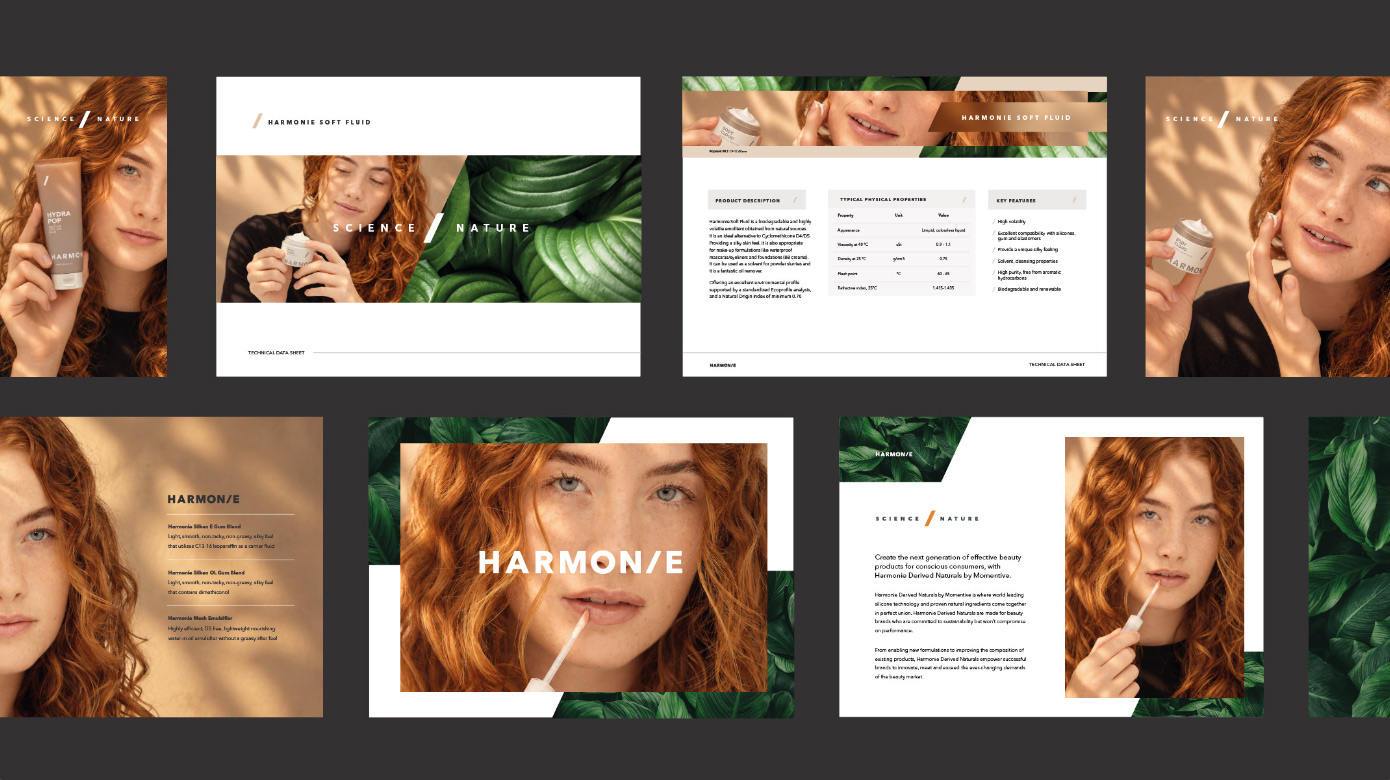
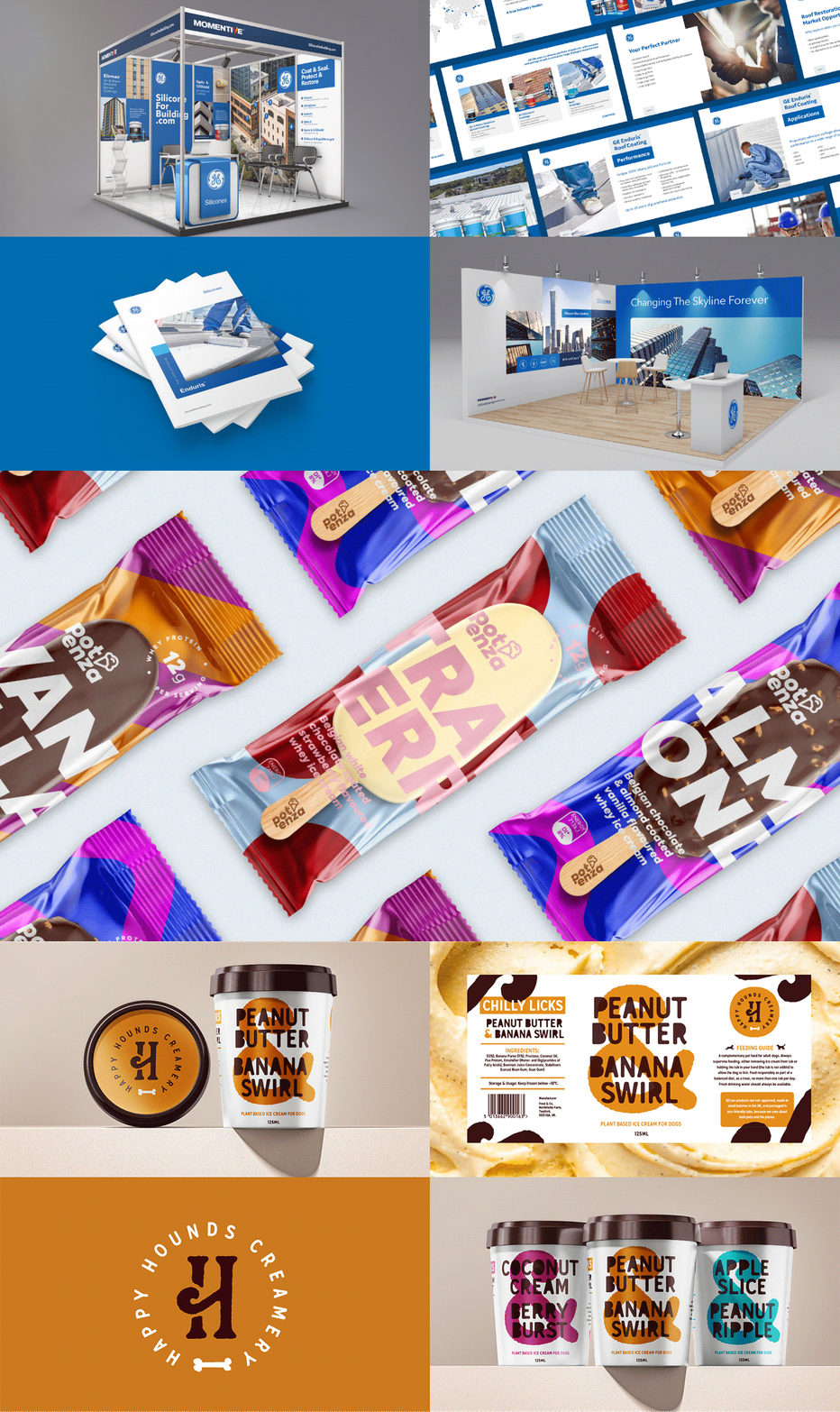
A strong brand gives every piece of communication a shared foundation. The website, presentations, campaigns, social content and sales materials should feel as though they belong to the same business.
When there is no clear system, individual items are often created in isolation. Colours change, messages drift and each campaign begins from scratch.
This wastes time and makes the business harder to recognise.
You struggle to explain what makes you different
If your answer to “Why should someone choose you?” relies on phrases such as quality, service or experience, the brand may need a more distinctive position.
These qualities matter, but most competitors will make similar claims. Effective positioning identifies the particular value you provide, the audience that benefits most and the reason your approach is different.
Clarity here improves far more than the homepage. It strengthens sales conversations, campaigns, proposals and internal decision-making.
The visual identity is limiting the business
An identity does not need to follow every design trend. It does, however, need to work across the formats the business now uses.
A logo designed primarily for print may struggle on a mobile screen. A limited colour palette might not support a growing product range. Inconsistent typography may make presentations and digital content feel disconnected.
These are signs that the visual system needs to evolve, even if the core brand still has value.
You are attracting the wrong enquiries
Branding shapes expectations before a conversation begins.
If you want to attract larger organisations but the business still looks early-stage, there may be a credibility gap. If you have developed specialist expertise but your message remains broad, the most relevant prospects may not recognise that you understand their sector or challenge.
A stronger brand should help suitable customers identify themselves while making the offer easier to understand.
Your team interprets the brand differently
Internal inconsistency often becomes visible externally.
If different people describe the business in completely different ways, or everyone produces materials according to personal preference, the company probably lacks a shared brand framework.
Clear positioning, messaging and practical guidelines make it easier for employees and external partners to represent the business consistently.
Refresh or rebrand?
Not every problem requires a completely new identity.
Sometimes the foundations are sound and the business simply needs clearer messaging, improved typography or a more flexible design system. In other cases, the position, audience and offer have changed enough to justify a more fundamental rebrand.
The right starting point is an honest review of what remains valuable and what is preventing the business from moving forward.
At Now Then, I work directly with businesses to clarify that decision, define the direction and create the identity and materials needed to put it into practice.